
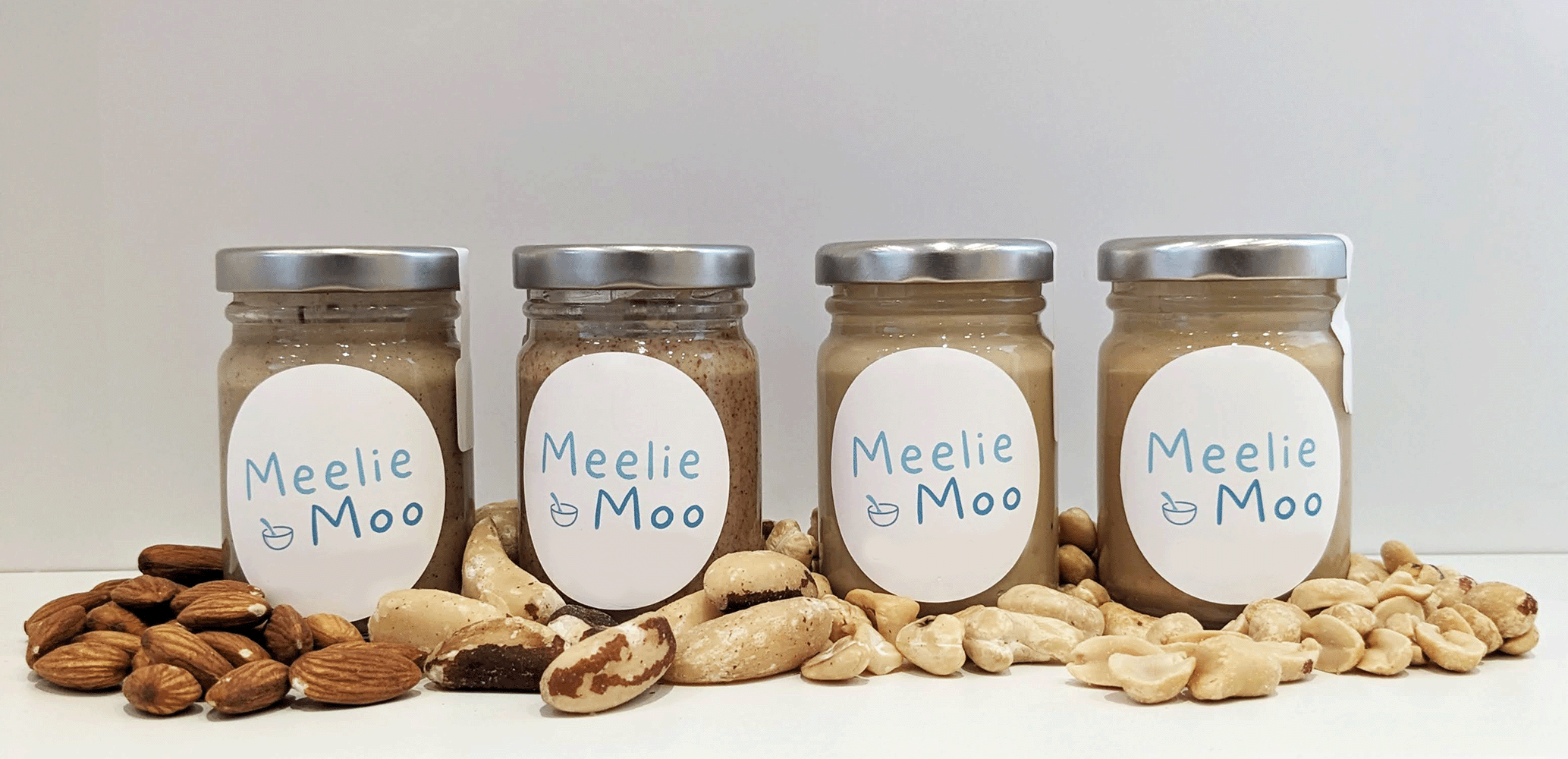
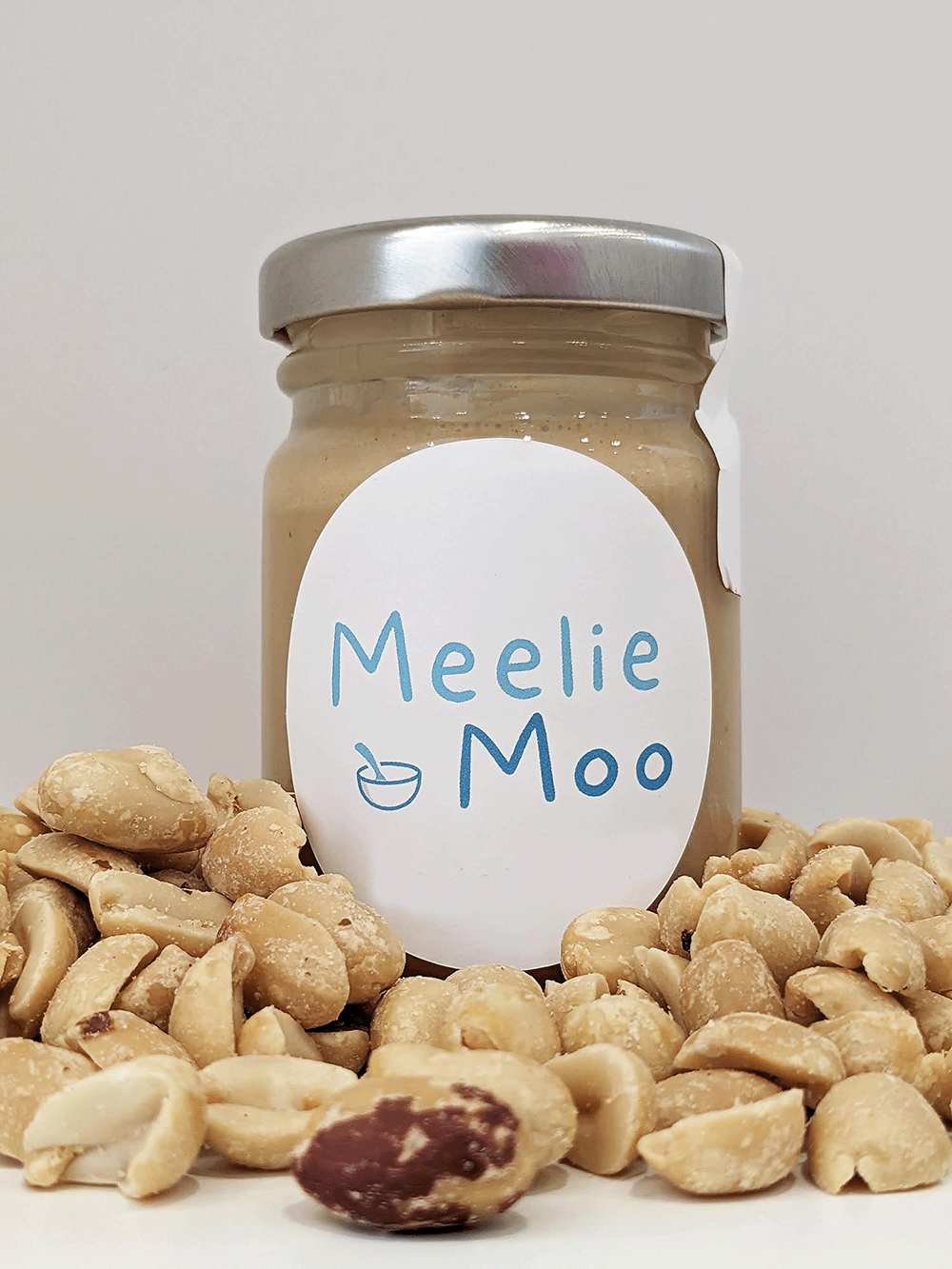
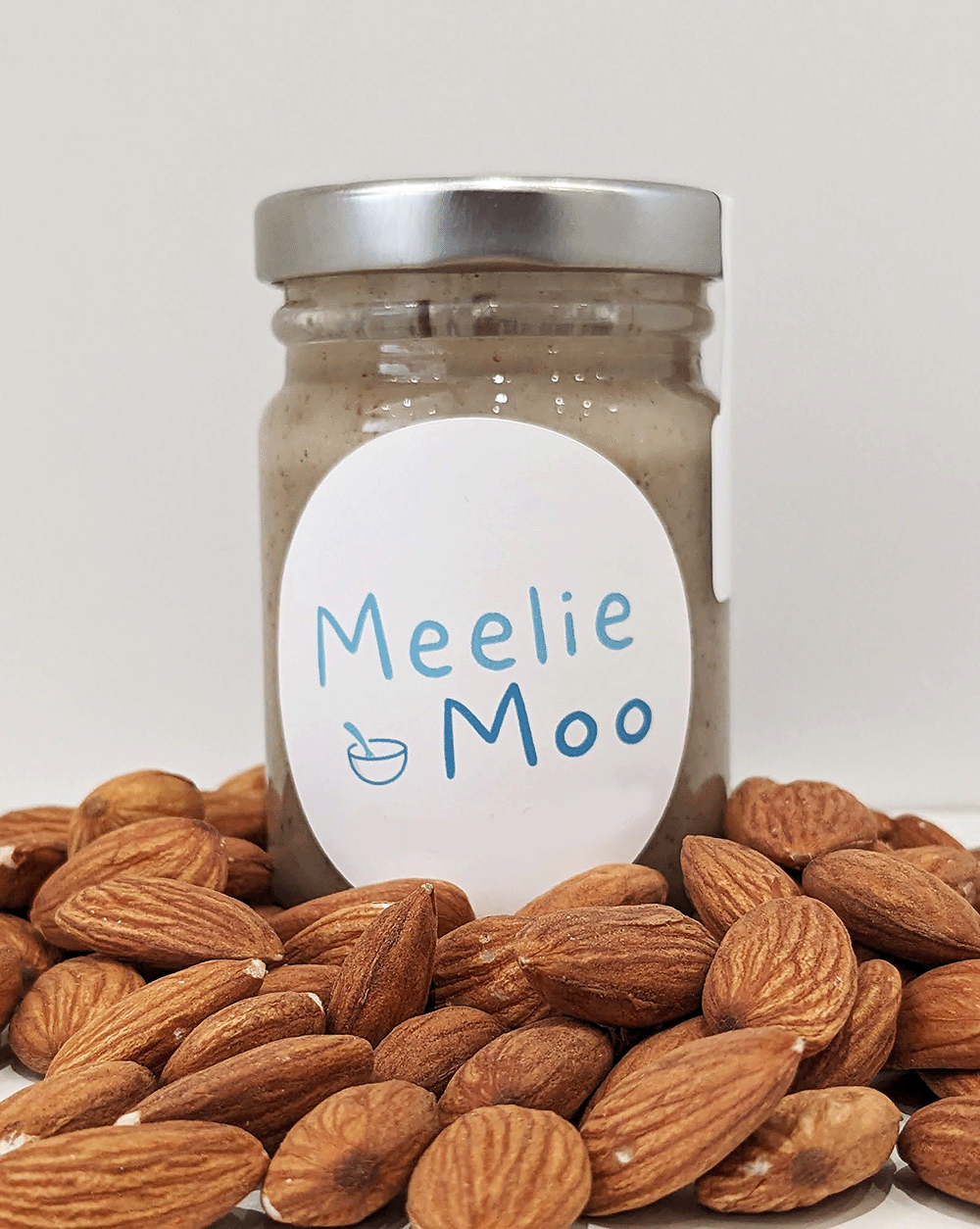
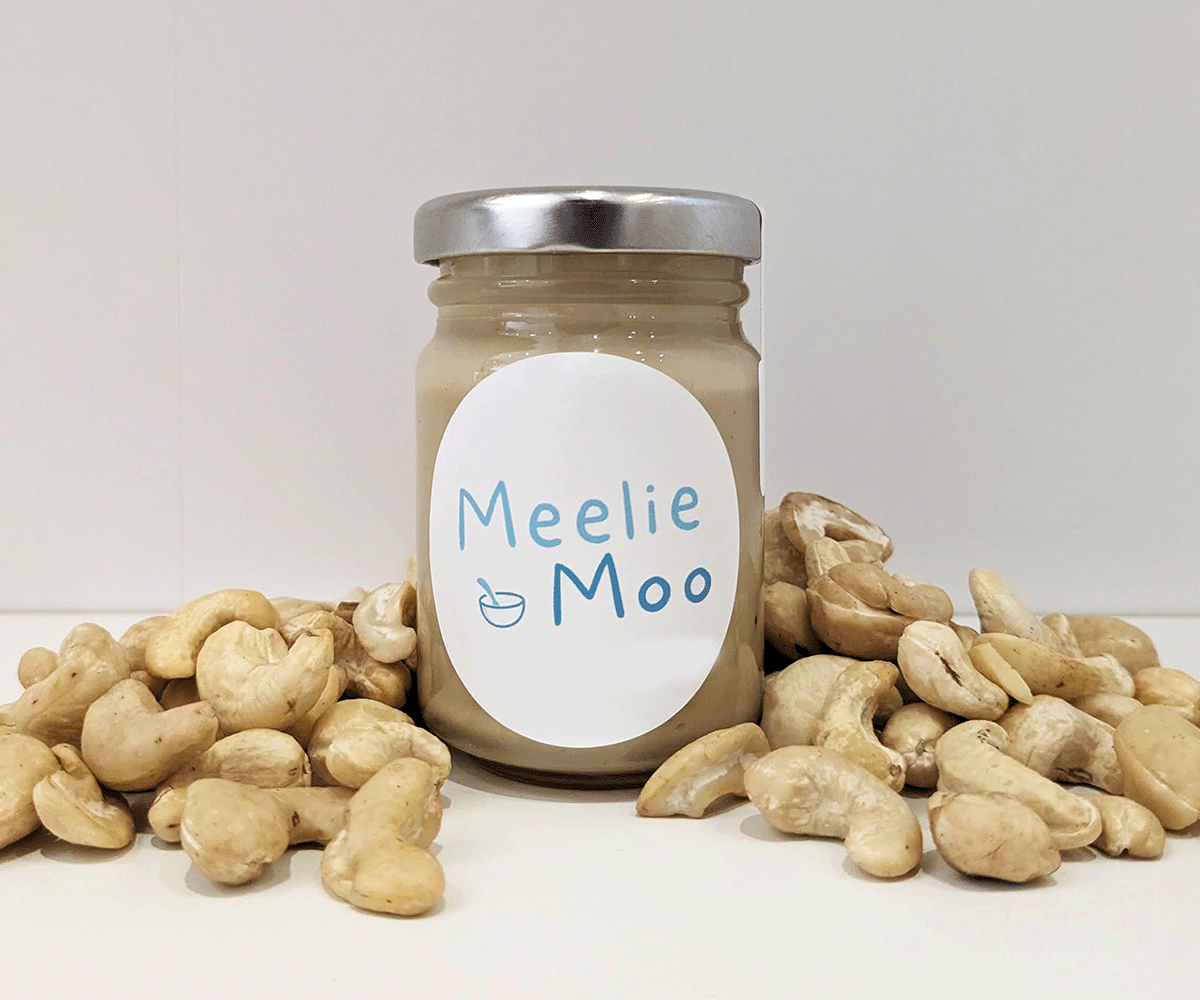
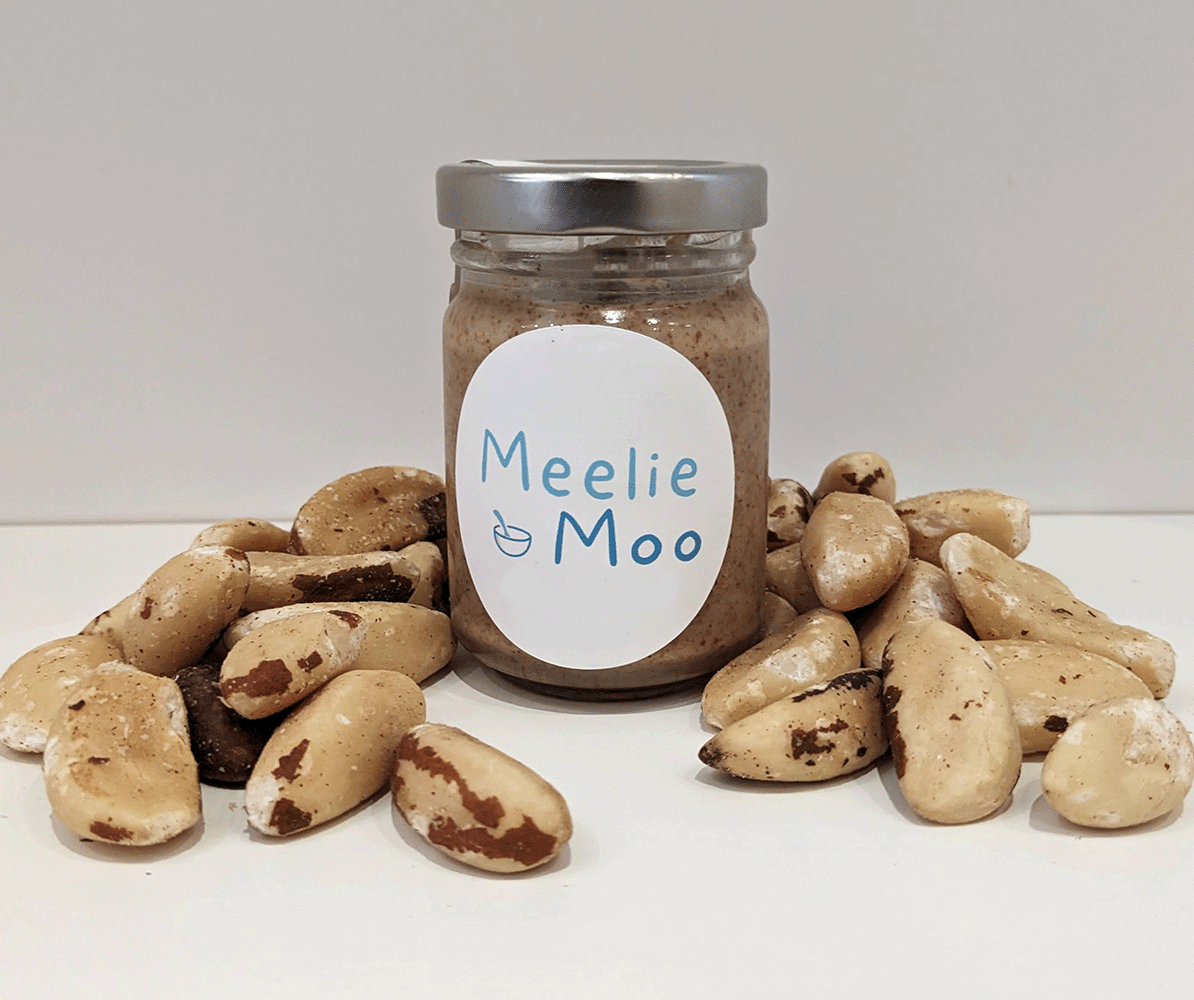

 Introducing nut butters to your baby can be a nourishing and safe way to expand their diet during the weaning phase.
Our unsalted first taste nut butter set provides a powerhouse of essential fats, plant-based protein, vitamins, and minerals that support brain development, immunity, and overall growth. However, nuts are a common allergen, so they must be introduced gradually and safely.
When and how to introduce nut butters
Nut butters can be introduced from around 6 months, when babies are developmentally ready for solid food. To reduce allergy risk, it’s recommended to offer one nut at a time and wait 2–3 days before introducing another. Once individual nuts have been tolerated, you can offer a smooth mixed nut butter in small, safe amounts.
For babies 6–12 months, about 1–2 teaspoons per day is appropriate.
- Take some nut butter out of the fridge to make it room temperature. This will make it softer and easier to eat.
- Start small: Begin with a tiny smear (e.g. 1/4 teaspoon) the first few times to check for allergies.
- Gradually increase to 1–2 teaspoons if no allergic reaction occurs.
- Nut butter can be given a few times per week and doesn’t need to be daily.
Serving Ideas:
- Stir ½ teaspoon into porridge or mashed banana
- Mix with plain yoghurt for a protein boost
- Spread thinly on toast fingers
Key nutrients and the benefits for children (6 Months+)
| Nut | Key nutrients | Nutritional role | Benefits for children (6 months+) |
|---|---|---|---|
| Peanut | Plant protein, healthy fats, niacin (Vitamin B3), magnesium | Energy production and tissue growth | Supports growth and development by providing protein and sustained energy needed during rapid development. |
| Almond | Calcium, vitamin E, fibre, magnesium | Bone health and antioxidant protection | Calcium contributes to normal bone growth, while vitamin E helps protect cells from oxidative stress. |
| Brazil nut | Selenium, healthy fats, magnesium | Immune and thyroid function | Selenium contributes to normal immune system function and supports thyroid health when consumed in small amounts. |
| Cashew | Iron, zinc, copper, magnesium | Blood formation and immune support | Iron contributes to normal cognitive development and oxygen transport; zinc supports immune function and growth. |
Key nutrients and the benefits during pregnancy and breastfeeding
| Nut | Key nutrients | Nutritional role | Benefits during pregnancy | Benefits during breastfeeding |
|---|---|---|---|---|
| Peanut | Plant protein, folate (B9), niacin (B3), healthy fats | Tissue growth and energy metabolism | Folate contributes to maternal tissue growth during pregnancy and supports increased nutritional needs. | Protein and healthy fats support energy needs and contribute to overall maternal nutrition during breastfeeding. |
| Almond | Vitamin E, calcium, magnesium, fibre | Bone support and antioxidant protection | Calcium contributes to the maintenance of bones and teeth, while vitamin E helps protect cells from oxidative stress. | Calcium contributes to the maintenance of normal bones and teeth during periods of increased nutritional demand. |
| Brazil nut | Selenium, healthy fats, magnesium | Thyroid and immune support | Selenium contributes to normal thyroid function and immune system support during pregnancy. | Selenium contributes to normal immune and thyroid function, important for maternal wellbeing. |
| Cashew | Iron, zinc, copper, magnesium | Blood formation and immune function | Iron contributes to normal haemoglobin formation and oxygen transport during pregnancy. | Zinc contributes to normal immune system function and supports overall maternal health. |
If you would like to find out more about nutrients, check out our A to Z Vitamins & Minerals: function, benefits, and what foods you can find them in.
Important references:
Age of baby: It is generally safe to introduce nut butter to a baby between 6 to 12 months of age. Most experts recommend waiting until at least 6 months when your baby starts eating solid foods. This delay allows their digestive system to mature and reduces the risk of allergies.
Nuts are a common allergen, so it’s important to consult with your paediatrician before introducing them. Consider starting with nut butters in small quantities and watching for any allergic reactions.
Portion Size: Start with small portions and monitor your baby for any adverse reactions. Nuts are calorie-dense, so be mindful of portion sizes to avoid overfeeding.
Family allergy history: If there’s a family history of nut allergies, consult with an allergist before introducing nuts to your baby’s diet.
Nut butter recommendations for women
| Group | Daily serving size | Notes |
|---|---|---|
| General adult women (moderately active ) | 1–1.5 tablespoons (15–24g) | Provides healthy fats and protein. Adjust based on activity level and calorie needs (~1,800–2,200 kcal/day). |
| Pregnant women | 1.5–2 tablespoons (24–32g) | Supports increased calorie and nutrient needs (~2,200–2,800 kcal/day). Rich in vitamin E, healthy fats, and plant-based protein. |
| Breastfeeding women | 2–2.5 tablespoons (32–40g) | Higher fat and calorie needs (~2,300–2,900 kcal/day). Nut butter helps meet energy demands and supports milk production. |
Nutritional sources
- Healthline states introducing smooth nut butters (peanut, almond, walnut) around 4–6 months can help prevent allergies, increase nutrient intake, and should be served thinned and spread thinly for safety nih.gov+15healthline.com+15srnutrition.co.uk+15.
- Bonavita emphasises that nut butters enrich baby meals with vitamins, minerals, protein, heart‑healthy fats and calories, while also potentially helping prevent future allergies bonavita.co.
- Nutrition advice from SR Nutrition (UK) notes nut butters are a good source of fibre, protein, healthy fats, magnesium, calcium, iron, and vitamin E. They recommend offering a variety (peanut, almond, cashew, Brazil nut) from around 6 months srnutrition.co.uk.
- My Little Eater outlines safe serving methods (thin spreads, purees, powder) and highlights nut butters (peanut, almond, pistachio, etc.) as a rich source of unsaturated fats, encouraged once initial protocol is followed mylittleeater.com.
- Organix (UK) describes nuts (walnut, almond, peanut) as providing omega‑3 fatty acids for brain development, protein, fibre, and antioxidants. They recommend smooth nut butters for 6–9 month olds organix.com.



There are no reviews yet.