

 Naturally supporting families from first tastes to motherhood.
Our organic pistachio butter is a luxuriously smooth, nutrient-dense spread created to nourish busy adults, parents, pregnant women and breastfeeding mothers who need wholesome, natural energy throughout the day. Carefully blended from organic pistachios and a small amount of heart-healthy rapeseed oil, this rich and creamy nut butter delivers both flavour and functional nutrition in every spoonful.
Pistachios are naturally packed with essential vitamins, minerals, and healthy fats that support overall wellbeing, making this nut butter an ideal addition to a balanced diet. The addition of cold-pressed rapeseed oil enhances texture while providing valuable omega-3 fatty acids, known to support heart health and reduce inflammation.
Our pistachio butter can provide energy and daily vitality during pregnancy and breastfeeding mothers
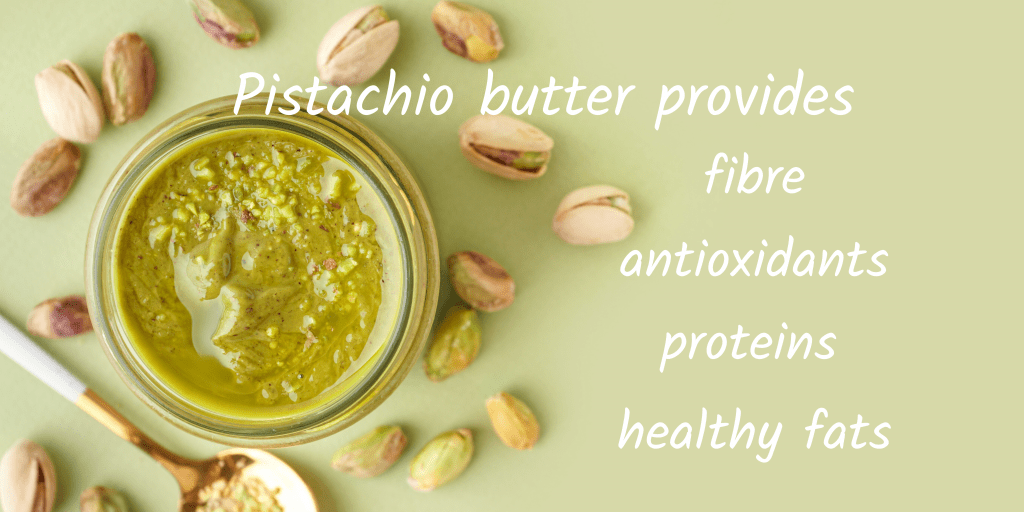
Fatigue is common during pregnancy, postpartum recovery and the demands of parenting. Pistachio butter is an excellent natural source of protein, fibre and healthy unsaturated fats, which help maintain steady energy levels throughout the day. These nutrients help slow the release of sugars into the bloodstream, preventing energy crashes and supporting sustained nourishment between meals.
According to the British Nutrition Foundation, nuts provide a valuable source of plant-based protein and essential micronutrients that support energy metabolism and muscle function.
How pistachio butter supports nutrition during pregnancy
| Nutrient/ Component | How pistachio butter supports pregnancy | Why it matters |
|---|---|---|
| Healthy unsaturated fats | Supports maternal energy levels and foetal development | Healthy fats contribute to normal cell development and help meet increased energy needs during pregnancy |
| Protein | Supports growth of maternal tissues and baby’s development | Protein contributes to the growth of maternal tissue during pregnancy and supports normal foetal growth |
| Iron | Supports normal red blood cell formation | Iron contributes to the formation of haemoglobin, helping transport oxygen to both mother and baby |
| Vitamin B6 | Supports normal hormone activity and immune function | Contributes to the regulation of hormonal activity and may help support normal energy metabolism |
| Magnesium | Supports muscle function and reduction of tiredness | Contributes to normal muscle function and helps reduce fatigue |
| Folate (naturally present in small amounts) | Supports cell division | Folate contributes to normal maternal tissue growth during pregnancy* |
| Potassium | Supports normal blood pressure | Contributes to the maintenance of normal blood pressure |
| Vitamin E | Supports protection of cells from oxidative stress | Acts as an antioxidant, helping protect cells during periods of increased physiological demand |
| Fibre | Supports digestive comfort | Helps maintain normal bowel function, which can be beneficial during pregnancy |
| Zinc | Supports immune function and cell growth | Contributes to normal DNA synthesis and immune system function |
| Energy-dense nutrition | Helps meet increased calorie needs | Pregnancy increases daily energy requirements, particularly in the second and third trimesters |
How pistachio butter supports breastfeeding
| Nutrient/ Component | How pistachio butter supports breastfeeding mothers | Why it matters during lactation |
|---|---|---|
| Healthy unsaturated fats | Supports breast milk fat content and maternal energy | Breastfeeding increases energy demands by approximately 450–500 kcal per day; healthy fats help meet these needs and support overall wellbeing |
| Protein | Supports tissue repair and milk production | Protein is essential for maintaining maternal muscle mass and producing nutrient-rich breast milk |
| Iron | Helps reduce fatigue and supports healthy red blood cells | Postpartum women may have depleted iron levels; adequate intake supports oxygen transport and energy |
| Vitamin B6 | Supports hormone regulation and immune function | Contributes to normal psychological function and helps regulate mood during the postpartum period |
| Magnesium | Supports muscle function and reduces tiredness | Helps combat fatigue and supports nervous system balance during periods of disrupted sleep |
| Potassium | Supports fluid balance and heart health | Important for hydration and maintaining electrolyte balance during milk production |
| Fibre | Supports digestive health | Helps regulate digestion, which can be disrupted postpartum |
| Vitamin E (antioxidant) | Supports immune health and cellular protection | Protects cells from oxidative stress, which can increase during pregnancy and lactation |
| Plant sterols & antioxidants | Supports cardiovascular health | Heart health is important during postpartum recovery and long-term maternal wellbeing |
| Energy-dense nutrition | Provides sustained, natural energy | Breastfeeding mothers require additional calories; nutrient-dense foods help meet needs without excessive volume |
| Zinc | Supports immune function and wound healing | Important for recovery after birth and maintaining immune resilience |
| Folate (small amounts) | Supports cell division and tissue growth | Important during pregnancy and remains beneficial postpartum |
The NHS recommends nutrient-rich snacks such as nuts as part of a healthy diet during breastfeeding, as they provide concentrated nourishment without highly processed sugars or additives.
Ideas for how to eat this pistachio butter
Its smooth, creamy consistency makes it perfect for:
- spreading onto toast
- stirring into porridge or yoghurt
- blending into smoothies
- adding to baking or desserts
- enjoying straight from the jar as a nourishing snack.
When and how to introduce nut butters
Nut butters can be introduced from around 6 months, when babies are developmentally ready for solid food. To reduce allergy risk, it’s recommended to offer one nut at a time and wait 2–3 days before introducing another. Once individual nuts have been tolerated, you can offer a smooth mixed nut butter in small, safe amounts.
For babies 6–12 months, about 1–2 teaspoons per day is appropriate.
- If you decide to keeep pistachio butter in the fridge, make sure to take it out a few minutes to make it room temperature. This will make it softer and easier to eat.
- Start small: Begin with a tiny smear (e.g. 1/4 teaspoon) the first few times to check for allergies.
- Gradually increase to 1–2 teaspoons if no allergic reaction occurs.
- Nut butter can be given a few times per week and doesn’t need to be given daily.
Nutritional benefits of pistachio butter for children (6 Months+)
| Nutrient | Benefit for children (6 months+) | Why it matters for development |
|---|---|---|
| Healthy fats (unsaturated fats) | Supports brain development | Babies’ brains develop rapidly in the first 2 years and need healthy fats for proper growth and cognitive function |
| Protein | Supports growth and muscle development | Helps build new tissues, muscles, and supports overall physical development |
| Iron | Supports healthy blood and oxygen transport | Iron contributes to normal cognitive development and helps prevent iron deficiency, which babies are at risk of after 6 months |
| Vitamin B6 | Supports brain and nervous system development | Helps produce neurotransmitters that support mood, sleep and brain function |
| Magnesium | Supports bone development and muscle function | Important for healthy bones, nerve signals and muscle relaxation |
| Potassium | Supports heart function and fluid balance | Helps regulate muscles, including the heart, and maintains healthy hydration levels |
| Vitamin E | Supports immune system development | Acts as an antioxidant that protects developing cells |
| Fibre | Supports digestive health | Helps maintain healthy digestion and gut development |
| Energy-dense nutrition | Provides concentrated nourishment | Babies have small stomachs but high energy needs, so nutrient-dense foods are ideal |
| Natural plant nutrients (antioxidants) | Supports overall immune health | Helps protect growing cells and supports the developing immune system |
If you would like to find out more about nutrients, check out our A to Z Vitamins & Minerals: function, benefits, and what foods you can find them in.
Important note:
Age of baby: It is generally safe to introduce nut butter to a baby between 6 to 12 months of age. Most experts recommend waiting until at least 6 months when your baby starts eating solid foods. This delay allows their digestive system to mature and reduces the risk of allergies.
Nuts are a common allergen, so it’s important to consult with your paediatrician before introducing them. Consider starting with nut butters in small quantities and watching for any allergic reactions.
Portion Size: Start with small portions and monitor your baby for any adverse reactions. Nuts are calorie-dense, so be mindful of portion sizes to avoid overfeeding.
Family allergy history: If there’s a family history of nut allergies, consult with an allergist before introducing nuts to your baby’s diet.
Sources
- NHS – Guidance confirms smooth nut butters can be safely introduced from around 6 months and provide important nutrients including healthy fats, protein, and iron.
https://www.nhs.uk/baby/weaning-and-feeding/what-to-feed-young-children/ - NHS Start4Life – Recommends nutrient-dense foods such as nut butters to support baby growth, brain development, and energy needs.
https://www.nhs.uk/start4life/weaning/ - British Nutrition Foundation – Confirms nuts provide healthy fats, fibre, protein, vitamins, and minerals essential for energy, immune function, and development.
https://www.nutrition.org.uk/ - Royal Devon NHS Foundation Trust – States nut butters are a safe and effective way to provide essential nutrients including healthy fats and protein for children.
https://www.royaldevon.nhs.uk/ - Worcestershire Acute Hospitals NHS Trust – Advises smooth nut butters are suitable for babies and provide important nutrition when mixed into soft foods.
https://www.worcsacute.nhs.uk/ - West Hertfordshire Teaching Hospitals NHS Trust – Recommends nut butters as a regular source of protein, healthy fats, and essential nutrients for child development.
https://www.westhertshospitals.nhs.uk/ - Heart UK – Confirms nuts and unsaturated fats support heart health and overall wellbeing.
https://www.heartuk.org.uk/



There are no reviews yet.