
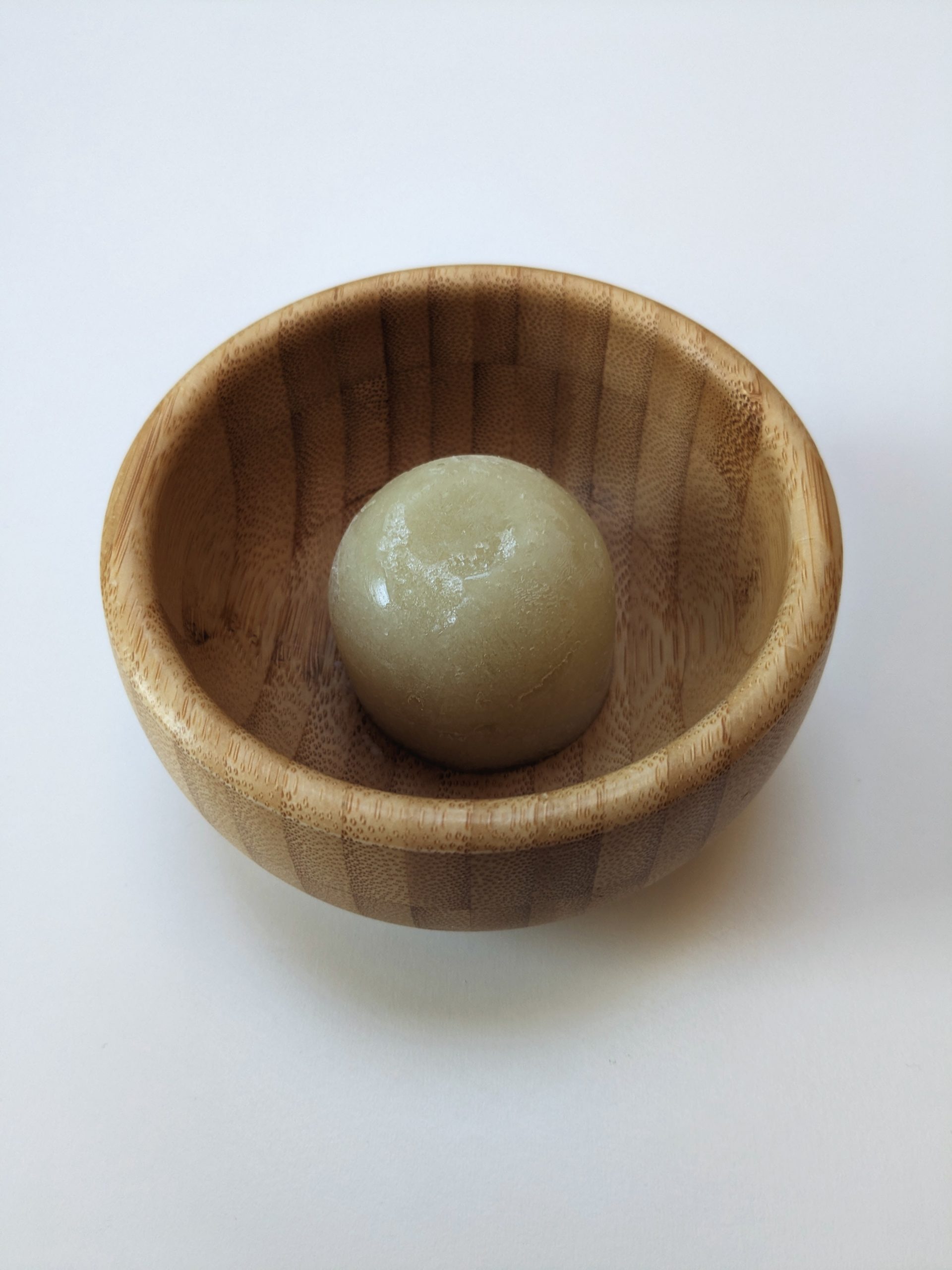
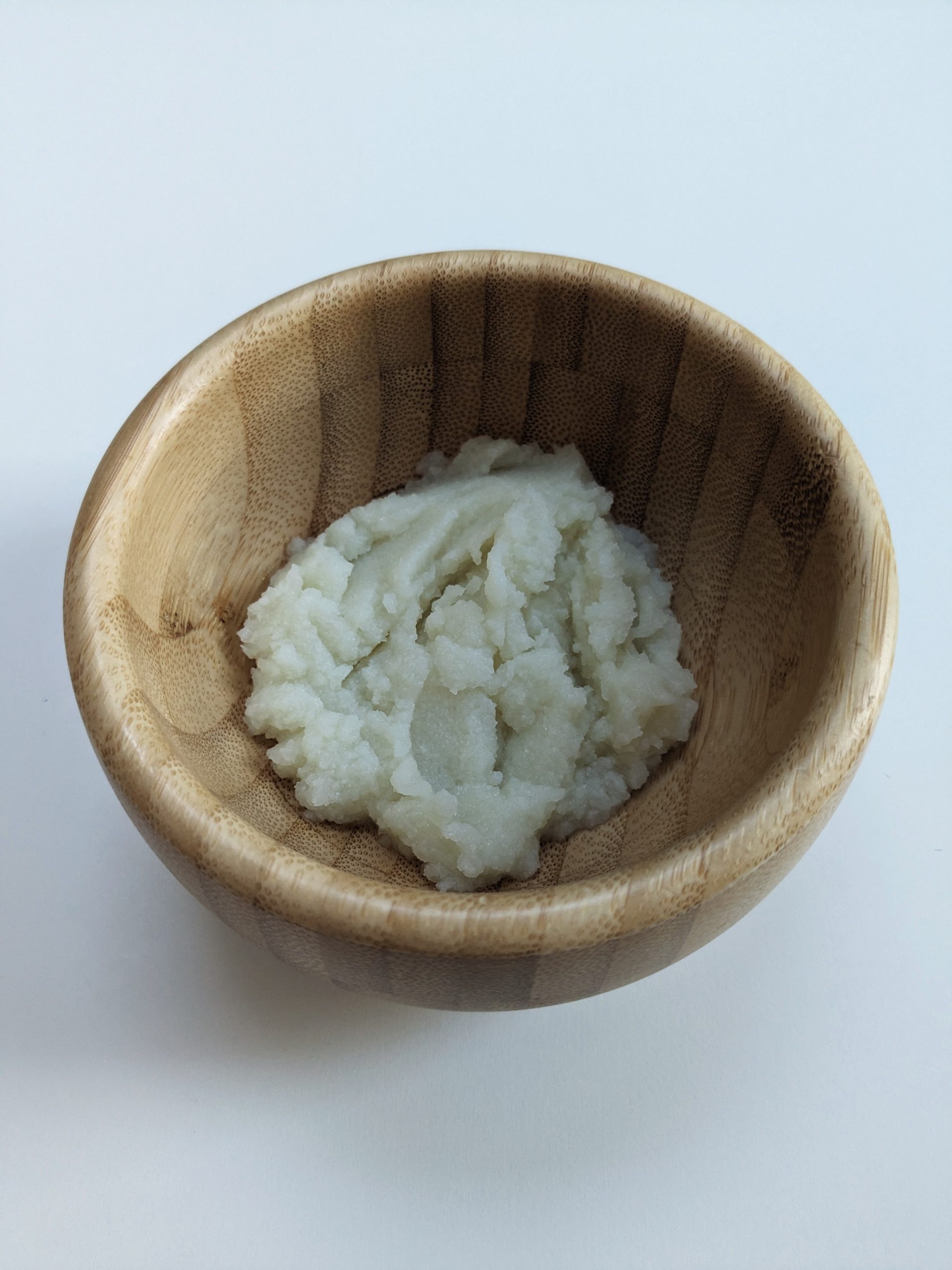


Let your baby embark on this delightful cauliflower adventure. It’s a veggie that’s both tasty and nutritious, making mealtime an exciting and healthy experience.
Which vitamins and minerals does a cauliflower have?
Cauliflower is a nutritious vegetable that can provide several health benefits for babies when introduced into their diet:
- vitamin C
- vitamin K
- vitamin B6
- calcium
- iron
- potassium
- magnesium
- folate
Check out the A to Z Vitamins & Minerals: function, benefits, and what foods you can find them in.
What are the benefits of cauliflower for my baby?
- Nutrient-rich: Cauliflower is packed with essential nutrients such as vitamins C, K, and B6, folate, fibre, and minerals like potassium and manganese. These nutrients support healthy growth and development in babies.
- Digestive health: The fibre content in cauliflower can promote healthy digestion in babies. It helps prevent constipation and keeps their bowel movements regular.
- Immune system support: Cauliflower contains vitamin C, which plays a crucial role in supporting the immune system. Adequate vitamin C intake can help babies fight off infections and illnesses.
- Antioxidant properties: Cauliflower contains antioxidants, including glycosylates and sulforaphane, which help protect cells from damage caused by harmful free radicals. Antioxidants support overall health and may contribute to disease prevention.
- Bone development: Cauliflower is a good source of vitamin K, which is essential for bone development and blood clotting. Adequate vitamin K intake can support healthy bone growth in babies.
- Anti-inflammatory properties: Some compounds present in cauliflower, such as indole-3-carbinol andsulforaphane, have anti-inflammatory properties. These properties can potentially help reduce inflammation in the body, promoting overall health.
Allergen information
This pod doesn’t contain gluten, eggs, milk, soya, or nuts.
However, we cook all our pods in an environment where nuts, eggs, milk, soya, gluten, and other dairy products are regularly handled, and therefore cannot guarantee that they are free from any of the above allergens.
How to store this food?
This should be kept in the freezer until ready to serve. For optimal taste, quality, and nutrient retention, consume within 3 months, and 24 hours once defrosted.


There are no reviews yet.